Dealer Operations at Window Depot USA
About 86 locationsAs Systems Integration Engineer, I build and operate the systems a network of about 86 dealer locations relies on to receive leads, book appointments, and work service requests. Most of the work starts with a dealer and their software vendor on the same call.
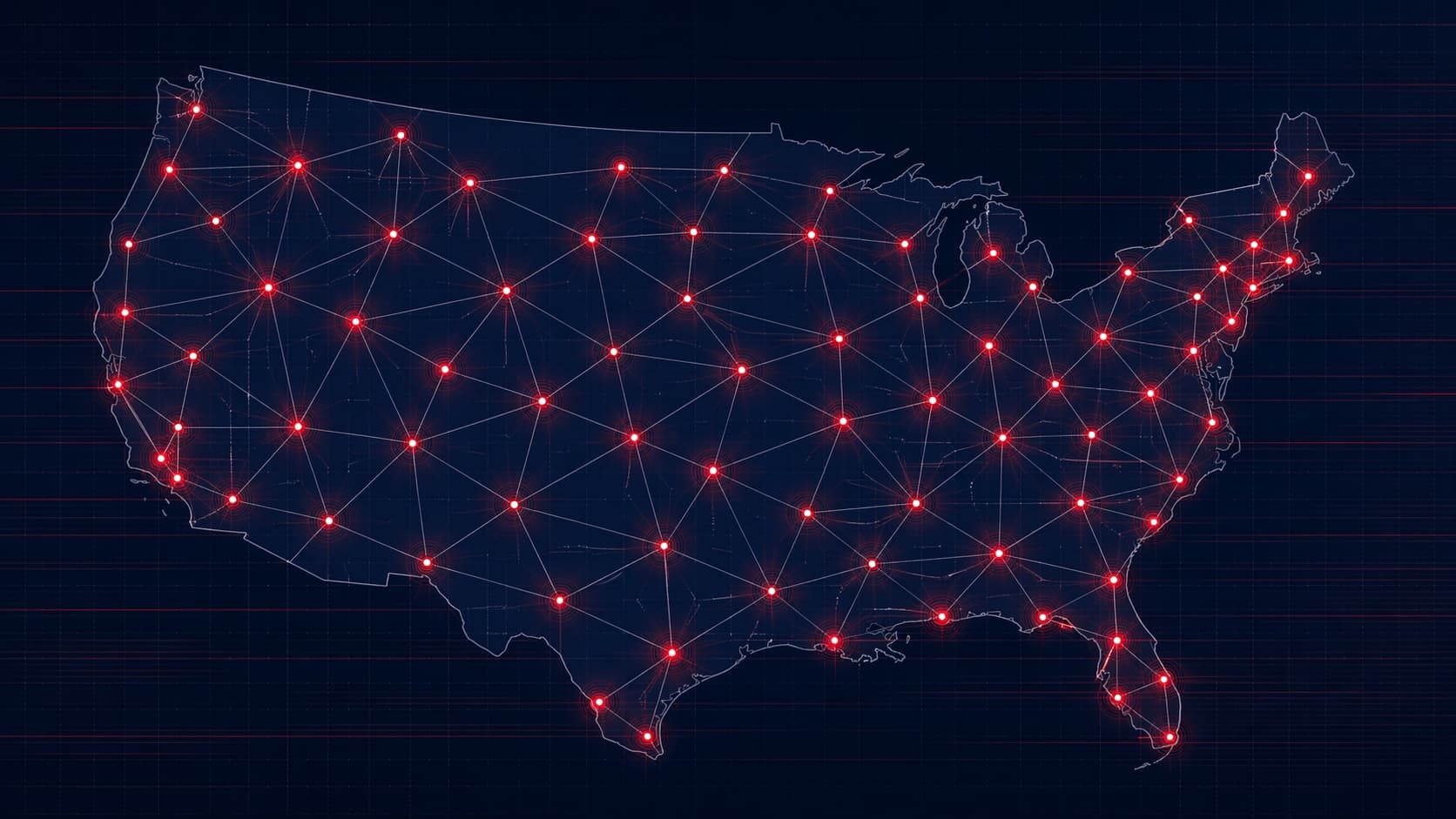
The Problem
A lead is only useful if the right dealer gets it.
Dealers operate their own businesses: different CRMs, different lead sources, different follow-up habits. A corporate inquiry has to land with the dealer who owns that ZIP, in the CRM that dealer already uses, with enough detail for the sales team to act. Done by hand, that work is slow, hard to audit, and easy to route to the wrong place.
The System
ZIP to territory to dealer, then the CRM, then follow-up.
Network OS resolves each lead from its ZIP to a territory to a dealer, delivers it into that dealer's CRM through a native integration, and records the decision and what delivery actually did. Network OS is built on Next.js, TypeScript, Drizzle, and Postgres, deployed on Vercel, and the production repository stays private. The service queue runs on Gravity Forms, n8n, and Asana.
How a lead moves.
Lead arrives
A homeowner submits a form on a dealer site. The lead carries a ZIP code and whatever the form captured.
Territory
The ZIP resolves to a territory, and the territory resolves to the dealer who owns it. No dealer means the lead is held rather than guessed.
CRM delivery
A native integration hands the lead to Builder Prime or MarketSharp and records whether the contact actually landed.
Follow-up
Product interests on the form map to the dealer's follow-up rules, so the sales team knows what to call about.
What I built.
Each item starts with the problem a dealer was having, then what happened after it shipped.
Network OS territory routing
Corporate leads reached dealers by hand.
Before Network OS, someone decided which dealer should get a corporate-site inquiry and forwarded it. I built Network OS for a network of about 86 dealer locations to replace that with ZIP-based territory routing: the lead resolves from ZIP to territory to dealer, then to that dealer's CRM, and every decision is recorded. I also wrote the onboarding guide staff use to run it.
St. Louis: phone numbers missing
Web leads arrived at the CRM without a phone number.
A St. Louis dealer's web leads were reaching the CRM with no phone number, so the sales team had no one to call. I worked with the dealer and its CRM vendor to trace the submission from the web form into the CRM, tested submissions together, and corrected the field mapping. I then connected each product interest on the form to the dealer's follow-up rules, so an inquiry about one product starts the right follow-up instead of a generic one.
Builder Prime and MarketSharp
Dealers run different CRMs, so forwarding looked the same everywhere and worked the same nowhere.
I built native integrations for Builder Prime and MarketSharp rather than one generic forwarder. I verified delivery in the Indianapolis dealer's live CRM, and I updated MarketSharp tracking so a lead is only marked delivered once the contact exists.
Dealer AI webchat
Homeowners wanted answers on the dealer site, not a form.
I deployed AI webchat for dealers, starting with the training content the chat relies on and staying through launch and support. In Dallas, a homeowner used the chat to book an in-home estimate, and the appointment landed on the dealer's calendar. The dealer later confirmed the sale. The sale belongs to the dealer; my part was getting the conversation onto their calendar.
Service intake queue
Service requests arrived as a growing list with no way to work through it.
I connected Gravity Forms, n8n, and Asana into a single queue for service requests. Staff closed 615 requests through the queue I built. I then added AI classification so generically named tasks received descriptive titles: 216 of them got a title that tells a coordinator what the request actually is.
Read-only Google Ads reporting
Marketing staff needed ad data without write access or a new dashboard to learn.
I gave marketing staff a way to query Google Ads in ChatGPT through a read-only integration. I verified live reporting across 16 client accounts. Read-only access was a deliberate choice: the staff get the numbers they need without a path to change spend or campaigns.
After rollout.
No homeowner records, dealer contact details, credentials, or internal consoles are on this page. The production repository stays private. The deeper engineering writeup of Network OS routing and audits is available on request.